
So, you’ve spotted a garden snake and want to know how to get rid of gardener snakes safely and naturally for good? The best way is to make your garden less appealing to them by removing their food sources and hiding spots, and by using natural deterrents.
Snakes in the garden are a common sight for many homeowners. While most garden snakes are harmless and even beneficial, eating pests like insects, slugs, and rodents, their presence can still be unsettling for some. If you’re looking for ways to get rid of garden snakes without causing them harm, you’re in the right place. This comprehensive guide will delve into safe, natural, and effective methods for snake prevention and humane snake removal, focusing on creating an environment that discourages snakes from visiting your yard in the first place. We’ll explore various snake repellent options, delve into garden pest control strategies that indirectly affect snake populations, and discuss how to snake proofing your garden effectively.
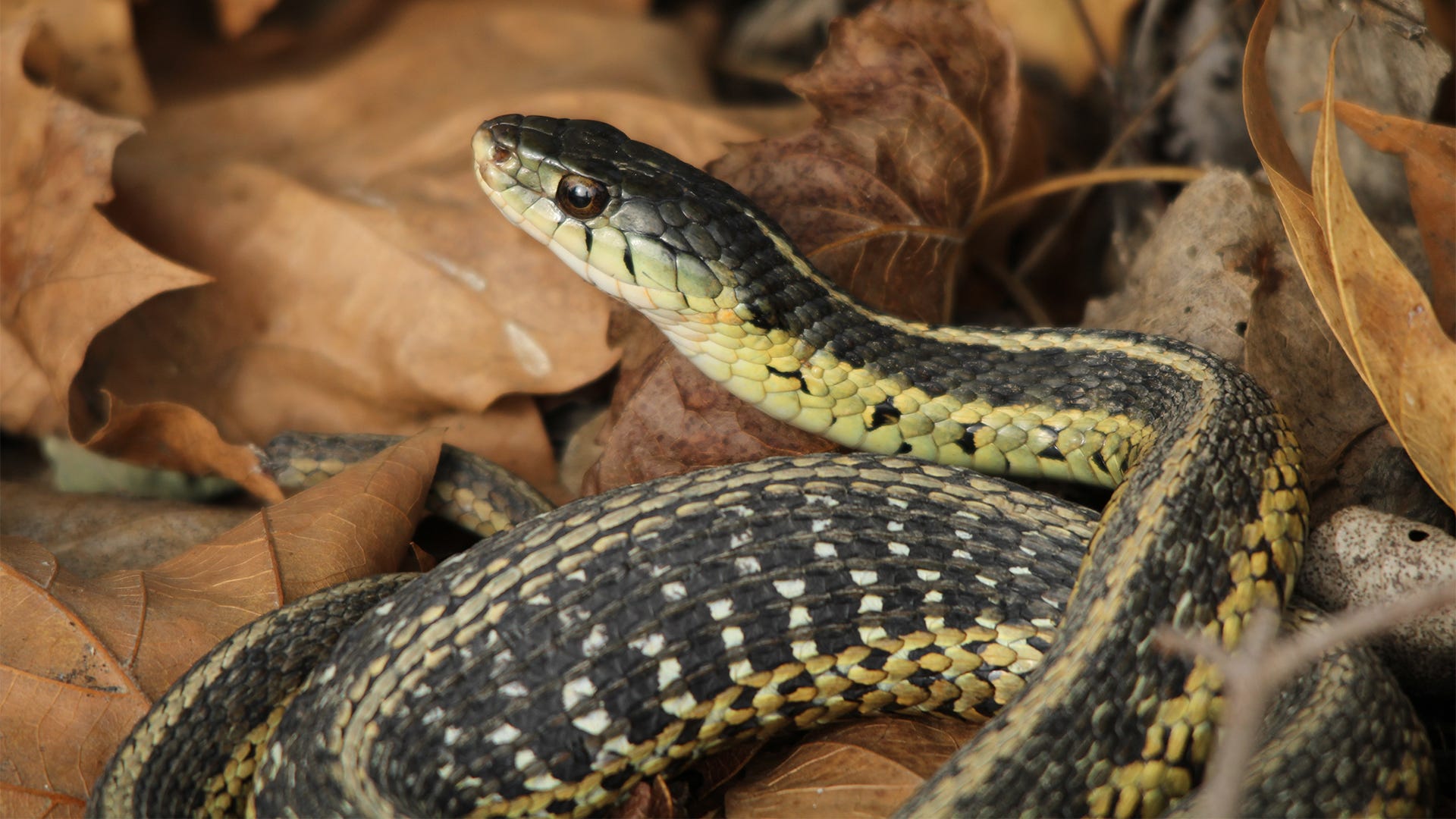
Image Source: www.havahart.com
Why Snakes Visit Your Garden
Before we dive into getting rid of them, let’s briefly touch on why snakes might be attracted to your garden. Snakes are reptiles, and like all animals, they seek out environments that provide them with the essentials: food, water, and shelter.
Food Sources
Your garden might be a buffet for snakes if it’s also a haven for their prey. Common garden pests that attract snakes include:
- Rodents: Mice, voles, and rats are a primary food source for many snake species.
- Insects: Grubs, beetles, crickets, and slugs can attract smaller snakes or those that feed on insects.
- Amphibians: Frogs and toads, often found in damp garden areas, are attractive prey.
- Birds and Bird Eggs: Ground-nesting birds or bird feeders can also draw snakes.
Shelter and Hiding Spots
Snakes need places to hide from predators, bask in the sun, and find refuge from extreme weather. Areas that offer these conditions in your garden include:
- Dense Vegetation: Overgrown bushes, tall grass, and thick ground cover provide excellent hiding places.
- Piles of Debris: Woodpiles, rock piles, compost heaps, and leaf litter offer shelter and attract prey.
- Water Features: Ponds, bird baths, or consistently damp areas can attract both snakes and their food sources.
- Structural Cover: Cracks in foundations, openings under sheds or decks, and cluttered storage areas can also serve as refuge.
Natural Methods to Deter Snakes from Your Yard
The most effective way to manage snakes in your garden is to make your yard less hospitable. This involves a multi-pronged approach focusing on eliminating attractants and employing natural deterrents.
Eliminating Food Sources: The Cornerstone of Snake Prevention
The most direct way to deter snakes from yard spaces is to remove what they eat. This is a crucial aspect of garden pest control that benefits your plants as well.
Managing Rodents
- Secure Trash Cans: Use bins with tight-fitting lids to prevent rodents from finding food.
- Clean Up Spills: Promptly clean up fallen birdseed, pet food, or fallen fruit that rodents can access.
- Proper Food Storage: Store pet food and birdseed in rodent-proof containers.
- Maintain a Tidy Yard: Remove potential rodent shelters like overgrown weeds, debris piles, and woodpiles.
Controlling Insect Populations
- Promote Beneficial Insects: Encourage ladybugs, lacewings, and predatory wasps that feed on common garden pests.
- Natural Insecticides: Use organic pest control methods like neem oil or insecticidal soap sparingly, as harsh chemicals can harm beneficial wildlife.
- Water Management: Avoid overwatering, which can create damp environments attractive to slugs and snails.
Addressing Amphibian Attraction
- Limit Water Sources: If you have ponds, ensure they are not easily accessible or overpopulated with frog species.
- Reduce Damp Areas: Improve drainage in your garden to make it less appealing to amphibians.
Eliminating Hiding Spots: Creating a Less Welcoming Environment
Snakes feel secure in areas where they can hide. By reducing these opportunities, you make your garden a less appealing habitat.
Yard Maintenance is Key
- Mow Regularly: Keep your lawn mowed short. Long grass provides cover for snakes and their prey.
- Trim Shrubs and Bushes: Keep shrubs and bushes trimmed at least a few inches off the ground. This prevents snakes from slithering unseen beneath them.
- Clear Debris: Regularly remove woodpiles, rock piles, leaf litter, and any other debris. If you must have a woodpile, elevate it off the ground and keep it away from your house.
- Manage Compost: Ensure compost heaps are managed properly and turned regularly. Avoid adding meat scraps or dairy products, which can attract rodents.
- Seal Entry Points: Inspect your home’s foundation, sheds, and garages for cracks or openings. Seal them with caulk or wire mesh to prevent snakes from entering.
Water Feature Management
- Limit Standing Water: While some water is good for gardens, excessive standing water can attract frogs and other prey. Ensure good drainage.
- Remove Potential Hiding Places Near Water: Clear away any debris or vegetation that could offer cover for snakes near ponds or water features.
Natural Snake Repellents: What Really Works?
The market is flooded with products claiming to repel snakes. However, scientific evidence for the effectiveness of many commercial snake repellent products is often limited. Many rely on strong odors that snakes supposedly dislike. It’s important to approach these with a critical eye and prioritize habitat modification.
Here are some commonly cited natural garden snake deterrents, along with considerations for their use:
Scent-Based Deterrents
- Essential Oils: Some anecdotal evidence suggests that certain essential oils, like cinnamon, clove, or peppermint oil, can deter snakes due to their strong scents.
- Application: Mix a few drops of essential oil with water and a carrier (like a little bit of dish soap) and spray around the perimeter of your garden or areas where snakes have been seen. Reapply regularly, especially after rain.
- Caveat: Effectiveness can vary widely, and these are often short-lived solutions.
- Garlic and Onion: The pungent odor of garlic and onions is thought to be unpleasant for snakes.
- Application: Planting garlic and onions around the garden perimeter, or scattering crushed garlic cloves or onion peels, might offer some deterrence.
- Caveat: Similar to essential oils, the scent dissipates quickly, requiring frequent reapplication.
- Vinegar: Some people believe the strong smell of vinegar can repel snakes.
- Application: Diluted vinegar can be sprayed around garden areas.
- Caveat: Vinegar can also harm plants, so use it with extreme caution and test on a small area first.
Physical Barriers
- Diatomaceous Earth (Food Grade): This powdery substance made from fossilized aquatic organisms has sharp edges that can irritate snake skin.
- Application: Sprinkle a barrier of food-grade diatomaceous earth around the perimeter of your garden or near entry points.
- Caveat: It needs to be reapplied after rain or wind, and it can also harm beneficial insects like earthworms and ground beetles. Wear a mask when applying to avoid inhaling the dust.
- Certain Plants: Some plants are rumored to deter snakes due to their scent or texture.
- Examples: Snakeroot (Cimicifuga racemosa), Garlic, Onions, Marigolds, and Rue are often mentioned.
- Caveat: While these plants might offer a slight deterrent, they are not a guaranteed solution and should be part of a broader strategy.
Other Methods
- Coffee Grounds and Dryer Lint: Some gardeners report success using these materials. The theory is that the texture and scent are unpleasant for snakes.
- Application: Sprinkle these around garden beds.
- Caveat: These are largely anecdotal and unproven methods.
Humane Snake Removal: If You Find One in Your Garden
Sometimes, despite your best efforts, a snake might find its way into your garden. Here’s how to handle it humanely:
Identify the Snake (If Possible)
Knowing if the snake is venomous or non-venomous can help you decide on the best course of action. In most cases, garden snakes are non-venomous and beneficial. If you are unsure, it’s best to err on the side of caution and treat it as potentially venomous, keeping a safe distance.
Safely Relocate (For Non-Venomous Snakes)
If you are comfortable and the snake is clearly non-venomous and in a location where it poses no immediate threat, you can attempt relocation.
- Tools: You’ll need a long-handled broom or a shovel and a large container with a lid (like a trash can or a plastic bin with air holes).
- Process:
- Gently Guide: Use the broom or shovel to gently encourage the snake into the container. Avoid touching the snake directly.
- Secure the Container: Once the snake is inside, carefully place the lid on the container.
- Transport: Take the container to a suitable habitat away from your home, such as a wooded area or a field, at least a mile away to prevent it from returning.
- Release: Open the container and allow the snake to exit on its own.
Call a Professional for Assistance
If you are not comfortable relocating the snake, if it appears to be venomous, or if it’s in a difficult-to-reach location, it’s best to contact a professional.
- Local Animal Control: They may have resources or be able to direct you to someone who can help with safe snake removal.
- Wildlife Removal Services: Many companies specialize in humane snake removal and can safely capture and relocate snakes from your property.
Snake Proofing Your Garden: Long-Term Solutions
Snake proofing your garden is about creating a secure perimeter and maintaining a consistently unfavorable environment for snakes.
Fencing as a Barrier
- Material: A strong, fine-mesh wire fencing is most effective. The mesh should be no larger than ¼ inch to prevent smaller snakes from entering.
- Height and Depth: The fence should be at least 2-3 feet tall. It’s crucial to bury the bottom edge of the fence at least 6 inches into the ground and bend it outwards at a 30-degree angle. This makes it difficult for snakes to burrow under or climb over.
- Maintenance: Regularly inspect the fence for any gaps or damage and repair them promptly.
Maintaining Open Spaces
- Clear Pathways: Keep pathways around your garden beds clear of vegetation and debris.
- Reduce Cover Near Structures: Ensure there is no dense foliage or debris immediately surrounding your house, sheds, or decks.
Water Management for Prevention
- Good Drainage: Ensure your garden has good drainage to prevent soggy areas that attract amphibians and insects, which in turn attract snakes.
- Avoid Overwatering: Water your plants in the morning so excess moisture can evaporate during the day, making the environment less appealing to damp-loving creatures.
Table: Natural Garden Snake Deterrents – Pros and Cons
| Deterrent Method | Pros | Cons | Effectiveness Rating (Estimated) |
|---|---|---|---|
| Habitat Modification | Highly effective, addresses root cause, benefits garden health. | Requires ongoing effort and consistent maintenance. | ★★★★★ |
| Essential Oils | Natural, pleasant scent for humans (some), easy to apply. | Short-lived, effectiveness can vary, needs frequent reapplication. | ★★ |
| Garlic/Onion Planting | Natural, dual-purpose (can be used in cooking), adds to garden aesthetics. | Limited effectiveness, requires replanting, scent dissipates. | ★★ |
| Diatomaceous Earth | Can physically deter snakes by irritating skin, natural. | Needs frequent reapplication after rain/wind, can harm beneficial insects, requires careful handling. | ★★★ |
| Repellent Plants | Natural, adds greenery, can have other garden benefits. | Limited scientific evidence, effectiveness varies, not a standalone solution. | ★ |
| Fencing | Very effective physical barrier when properly installed. | Can be expensive, requires installation effort, needs regular maintenance. | ★★★★ |
Frequently Asked Questions (FAQ)
Q1: Will ammonia repel snakes?
While some anecdotal reports suggest ammonia can repel snakes due to its strong smell, it is generally not recommended for garden use. Ammonia is a harsh chemical that can harm plants, soil, and beneficial insects. Furthermore, its effectiveness against snakes is unproven, and it’s not considered a safe or reliable snake repellent for garden application.
Q2: Can I use mothballs to get rid of garden snakes?
No, mothballs are not recommended for repelling snakes or any other wildlife. Mothballs contain naphthalene or paradichlorobenzene, which are toxic chemicals. They can be harmful to pets, children, and other wildlife that may ingest them. Their use is often restricted, and they are not considered a humane or environmentally friendly snake repellent.
Q3: What is the best natural snake repellent?
The most effective “natural snake repellent” is actually habitat modification. By removing food sources (rodents, insects, amphibians) and hiding spots (debris, overgrown vegetation), you make your garden unattractive to snakes. If you are looking for scented deterrents, a combination of essential oils like peppermint, cinnamon, and clove, along with strategically planted garlic and onions, might offer some mild deterrence, but this should be in conjunction with habitat management.
Q4: How do I stop snakes from coming into my yard?
To stop snakes from coming into your yard, focus on snake prevention by:
* Eliminating Food Sources: Control rodent and insect populations.
* Removing Hiding Places: Keep your yard tidy, mow regularly, trim vegetation, and clear debris.
* Securing Your Home: Seal any cracks or holes in your foundation and around utility lines.
* Installing Fencing: Consider a snake-proof fence if snakes are a persistent problem.
Q5: Are there any plants that snakes really dislike?
Some plants are believed to deter snakes due to their strong scents, such as:
* Garlic
* Onions
* Rue
* Snakeroot (Bugbane)
* Marigolds
While these might offer a mild deterrent, they are not foolproof and are best used as part of a comprehensive garden snake deterrent strategy that includes habitat modification.
Q6: How can I safely remove a snake from my garden?
For non-venomous snakes, you can safely remove them by gently guiding them into a container using a long-handled broom or shovel, then transporting them to a suitable habitat away from your property. If you are uncomfortable, the snake is venomous, or it’s in a dangerous location, contact local animal control or a professional wildlife removal service for humane snake removal.
Q7: What do I do if I find a venomous snake in my garden?
If you encounter a venomous snake in your garden, keep a safe distance and do not attempt to handle it. Contact your local animal control, a wildlife removal service, or emergency services for assistance with safe snake removal.
Conclusion
Getting rid of garden snakes naturally and for good is achievable through consistent effort and a focus on creating an unwelcoming environment. By diligently managing your garden’s ecosystem, eliminating attractants, and employing safe practices, you can effectively deter snakes from yard spaces while coexisting with the beneficial aspects of your garden’s wildlife. Remember, snakes play a vital role in controlling pest populations, so humane and preventative measures are always the best approach. Focus on making your garden less hospitable to them, and you’ll likely see a significant reduction in their presence, ensuring a safer and more enjoyable outdoor space.