
As an Amazon Associate I earn from qualifying purchases.
Parents often struggle to find a tablet for hooked on phonics that truly supports structured reading instruction rather than just offering random games. This guide helps you identify devices designed specifically for early literacy development and systematic skill building.
Focus on curriculum alignment, interactive feedback quality, and age-appropriate content depth when selecting these tools. Many buyers mistakenly prioritize flashy graphics or entertainment value over pedagogical soundness, leading to ineffective learning outcomes for their children.
These recommendations come from analyzing Amazon product listings, reviewing stated features and technical specifications, and examining aggregated customer ratings where available. We did not conduct hands-on testing but evaluated each option based on documented capabilities and user-reported experiences.
The JoyCat Phonics Learning Tablet with 156 Flash Cards leads our list due to its explicit step-by-step progression structure mirroring classroom methods. Next, we examine four other options including color-coded level systems and broader theme libraries for different learner needs.
Our Top 5 Tablet For Hooked On Phonics Picks At A Glance
| Product | ||
|---|---|---|
 |
JoyCat Phonics Learning Tablet with 156 Flash Cards Structured step-by-step progression |
Check Price |
 |
JoyCat Progressive Phonics Tablet with Color-Coded Levels Visual differentiation of difficulty |
Check Price |
 |
JoyCat Kids Learning Tablet with 40+ Themes Broad vocabulary and game variety |
Check Price |
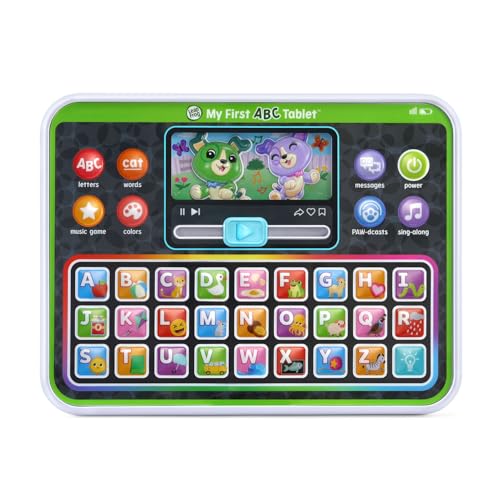 |
LeapFrog My First ABC Tablet Toddler Toy Younger toddlers needing basics |
Check Price |
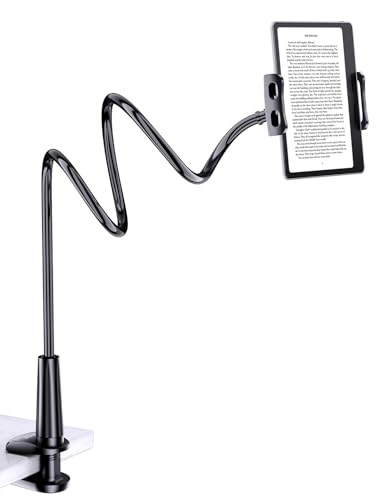 |
Tryone Gooseneck Tablet Holder for Bed Comfortable hands-free positioning |
Check Price |
Top 5 Tablet For Hooked On Phonics: Detailed Reviews
1. JoyCat Phonics Learning Tablet With 156 Flash Cards
The JoyCat Phonics Learning Tablet offers a structured path for young readers, guiding them from alphabet recognition to complex spelling through five distinct levels. You insert one of the 156 talking flash cards and tap the red circle to hear pronunciation and usage examples. This screen-free design keeps focus on auditory and tactile learning rather than digital distractions. The progressive difficulty ensures your child builds confidence step by step without feeling overwhelmed by advanced concepts too soon.
What We Like:
- It provides a clear five-stage progression from basic letters to advanced reading skills.
- The screen-free format reduces eye strain and digital dependency during study sessions.
- Tapping the interactive red circle gives immediate audio feedback for correct pronunciation.
- Its lightweight build makes it easy for small hands to hold and operate independently.
- The included 156 flash cards cover a broad range of phonetic rules and vocabulary.
What Could Be Improved:
- Some users may find the plastic buttons less durable than touchscreen alternatives over time.
- The fixed card set limits customization compared to apps with downloadable content libraries.
Buy this tablet if you want a guided, offline phonics curriculum that grows with your child’s abilities. Skip it if you prefer customizable digital apps or need a device capable of handling general entertainment beyond strict educational drills.
2. JoyCat Progressive Phonics Tablet With Color-Coded Levels
The JoyCat Progressive Phonics Tablet uses color-coded pages to help parents quickly identify appropriate challenge levels. This visual differentiation allows you to match activities to your child’s current ability without guessing. The five progressive stages guide learners from basic alphabet recognition to complex phonics patterns systematically. You can track their advancement easily by noting which colors they master before moving on. It offers structured, screen-free practice that builds confidence through clear, manageable steps.
What We Like:
- Color coding simplifies selecting the right difficulty level for your child.
- Five progressive stages ensure a logical path from basics to advanced skills.
- Visual cues reduce frustration when choosing appropriate learning tasks.
- Parents can monitor progress instantly based on completed color sections.
What Could Be Improved:
- Limited to physical cards rather than interactive digital feedback.
- May lack variety compared to tablets with broader theme options.
- Requires parental oversight to prevent skipping ahead too fast.
Buy this if you want a simple, organized way to teach reading without screens. Skip it if your child needs high-tech interactivity or wider subject coverage beyond phonics fundamentals.
3. JoyCat Kids Learning Tablet With 40+ Themes
The JoyCat Kids Learning Tablet stands out for its extensive word banks and interactive games that go beyond strict phonics drills. With over 600 words across 40 themes, it keeps engagement high by varying content rather than repeating isolated sounds. The 156 talking flash cards provide structured audio feedback, helping children connect visual letters to spoken pronunciation without screen distraction. This approach supports broader vocabulary growth alongside reading fundamentals.
What We Like:
- It offers diverse thematic content that prevents boredom during practice sessions.
- The large library of 600+ words expands vocabulary beyond basic letter recognition.
- Interactive games reinforce learning through varied activities rather than repetitive drilling.
- FSC-certified paper cards feel sturdy and safe for young hands to handle.
- Standard American accent audio provides clear pronunciation models for early readers.
What Could Be Improved:
- Limited to ages 2-5, so older children may find the content too simple quickly.
- No screen means less immediate visual feedback compared to digital apps with animations.
- Requires physical card management which can be tedious if cards get lost or damaged.
Buy this tablet if you want a versatile educational tool that balances phonics with general knowledge for preschoolers. Skip it if your child needs advanced literacy challenges or prefers dynamic digital interfaces over static audio prompts.
4. LeapFrog My First ABC Tablet Toddler Toy
The LeapFrog My First ABC Tablet serves as a gentle introduction to early literacy for toddlers aged 12 months and up. Instead of complex phonics structures, it focuses on basic letter recognition through interactive characters Scout and Violet. You can slide the play button to watch them move while hearing their voices, or tap bright backlit rainbow buttons to practice letters, words, and colors. The device also includes an engaging ABC song and virtual trips to places like farms and beaches, helping young children associate sounds with visual cues in a playful, low-pressure environment.
What We Like:
- Bright backlit buttons make tapping easy for small fingers
- Interactive characters provide immediate audio feedback
- Simple games reinforce basic letter and color recognition
- Included AAA batteries allow for quick setup
What Could Be Improved:
- Lacks structured progression needed for serious reading skills
- Content is too basic for older preschoolers
- Requires frequent battery replacements during daily use
Buy this tablet if you have a toddler under two years old who needs help learning alphabet basics through songs and simple taps. Skip it if your child already knows their letters or if you specifically need a tool designed to teach systematic phonics decoding.
5. Tryone Gooseneck Tablet Holder For Bed
The Tryone Gooseneck Tablet Holder is a practical accessory for parents using digital phonics apps. Its 30-inch aluminum-magnesium alloy arm bends to position your tablet comfortably, whether on a bed or desk. The universal clamp fits devices between 4.7 and 10.5 inches, securing iPads or Kindles firmly. This setup allows hands-free viewing during lessons, letting you focus on guiding your child rather than holding the screen steady.
What We Like:
- Flexible long arm adjusts easily to any comfortable angle
- Universal clamp securely holds tablets from 4.7 to 10.5 inches
- Enables true hands-free reading while lying down or sitting at a desk
- Sturdy alloy construction prevents sagging under typical tablet weight
- Compatible with both bed headboards and standard desk edges
What Could Be Improved:
- Clamp mechanism may scratch delicate device finishes if not careful
- Arm stiffness decreases slightly after prolonged heavy use
- Not suitable for very large tablets exceeding 10.5 inches
Buy this holder if you want stable, hands-free access to phonics apps without straining your arms. Skip it if your primary device exceeds ten inches or if you prefer rigid stands over flexible goosenecks.
How To Choose The Right Learning Tool
Match The Tablet To Your Child’s Current Reading Stage
A tablet for hooked on phonics works best when it aligns with where your child is in their literacy journey. If they are just starting to recognize letters, you need simple audio-visual feedback without complex menus. For children already sounding out words, look for devices that offer structured progression through vowel teams and blends. Jumping into advanced content too early causes frustration, while staying on basics too long leads to boredom.
Prioritize Tactile Interaction Over Screen Time
You want a device that keeps hands busy and minds engaged. Touchscreens allow direct manipulation of flashcards or letter tiles, which reinforces memory better than passive watching. Check if the interface responds quickly to taps. Laggy software breaks concentration. Physical buttons can also help younger users navigate without accidentally exiting apps. The goal is active participation, not just viewing educational videos.
Evaluate Content Depth And Variety
Many learning tablets lock behind subscription walls or limit topics severely. A good unit offers broad coverage, including sight words, spelling patterns, and basic comprehension games. Look for clear level indicators so you know what skills are being targeted. Color-coded levels help parents track progress at a glance. Ensure the library includes enough activities to sustain interest for weeks, not just days. Repetitive drills fail to maintain engagement.
Consider Durability And Portability Features
Kids drop things. Rugged casing and spill resistance matter more than sleek design. Battery life should support multiple sessions without frequent charging interruptions. If you plan to use the device during travel or bedtime routines, weight and size become critical factors. Some holders or stands enhance usability by keeping screens visible without hand strain. Test the setup process beforehand to ensure it fits your daily routine seamlessly.
Final Thoughts On Early Literacy Tools
The JoyCat Phonics Learning Tablet with 156 Flash Cards stands out as the best overall pick because its structured step-by-step progression mirrors effective teaching methods. It balances tactile play with logical skill building. For families needing broader vocabulary exposure, the JoyCat Kids Learning Tablet with 40+ Themes serves as an excellent alternative. Its diverse game variety prevents monotony, making it suitable for children who have mastered basic sounds and now require expansive word recognition practice.